high reliability communication relay for industrial automation: ensuring stability and efficiency
Release time:2025-12-06 08:12:05
In today's rapidly evolving industrial landscape, automation plays a pivotal role in enhancing production efficiency, reducing human error, and ensuring safety. However, with the growing complexity of industrial systems, one critical factor that cannot be overlooked is communication reliability. The communication systems within industrial automation networks need to be robust and dependable to ensure that data and control signals flow seamlessly across different equipment and processes. This is where the High Reliability Communication Relay (HRCR) comes into play, offering a reliable solution for industrial automation needs.
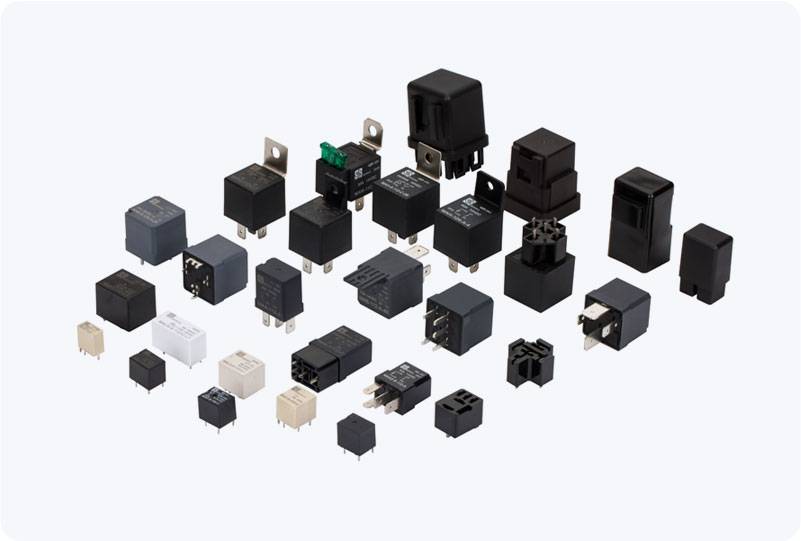
The Importance of Reliable Communication in Industrial Automation Industrial automation relies heavily on real-time communication between various systems, machines, and sensors. Any disruption in this communication can lead to downtime, safety hazards, and reduced operational efficiency. As industries become more interconnected with the integration of Internet of Things (IoT) devices and cloud computing, the reliability of communication networks becomes even more critical. HRCR systems ensure that these communication channels are maintained under all circumstances, making them indispensable in sectors like manufacturing, energy, transportation, and logistics.




 Chat Oline