understanding relay lifespan: factors, maintenance, and optimization
Release time:2025-09-17 04:05:07
Relays are essential components in electrical systems, acting as switches that control circuits in a variety of devices, from home appliances to industrial machinery. The lifespan of a relay is a critical factor that influences the reliability and performance of these systems. Understanding relay lifespan, including the factors that affect it, how to maintain relays, and how to optimize their performance, is key to maximizing their efficiency and longevity.
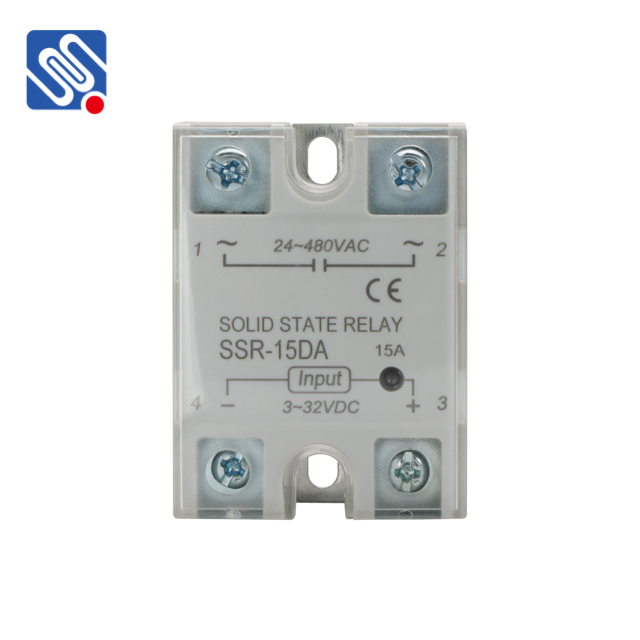
What is Relay Lifespan? Relay lifespan refers to the duration over which a relay operates effectively before its contacts fail, either mechanically or electrically. This lifespan is often measured in terms of the number of operations (cycles) the relay can perform before experiencing wear or failure. There are two main aspects to consider when discussing relay lifespan: mechanical life and electrical life. Mechanical Lifespan The mechanical lifespan of a relay is the number of times the relay’s moving parts—particularly the contacts—can physically open and close without breaking down. Mechanical lifespan is typically measured in cycles, and relays with high mechanical lifespans can endure millions of operations. This factor is usually less influenced by the load the relay controls, as it primarily depends on the quality of the relay’s construction and the material used for the moving components.




 Chat Oline