relay lifespan testing: ensuring reliability and durability in electrical systems
Release time:2025-09-16 17:27:14
Relay lifespan testing is an essential process in evaluating the performance and durability of relays, which are fundamental components in electrical and electronic systems. Relays serve as switches that control circuits by opening or closing based on electrical signals. Given their vital role in various industries, including automotive, industrial automation, telecommunications, and consumer electronics, it is critical to understand how long a relay can function reliably before failure. This is where relay lifespan testing comes in, providing valuable insights into a relay’s endurance and ensuring its long-term reliability in real-world conditions.
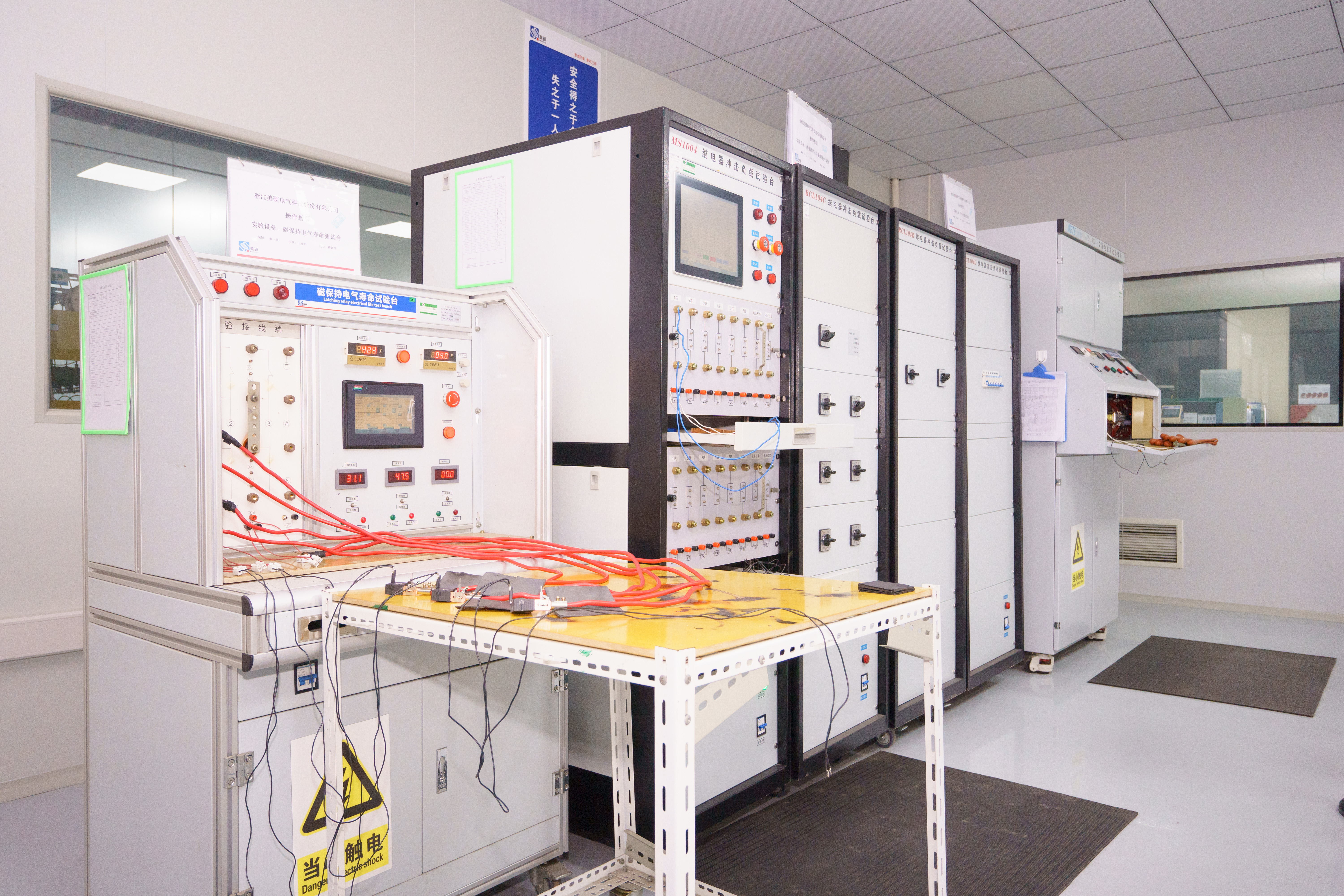
The Importance of Relay Lifespan Testing Relays, despite being robust, experience wear and tear over time, especially when exposed to continuous switching and varying environmental conditions. The lifespan of a relay is determined by various factors, including the quality of materials used in its construction, the electrical and mechanical stress it endures, and the operating environment. Relay lifespan testing helps manufacturers and engineers predict the expected lifetime of a relay, ensuring that they meet the required performance standards and that systems relying on them will remain operational without unexpected failures.




 Chat Oline